
Meet Faith J. McKinnie: The Curator Turning Sacramento’s Empty Spaces Into Vibrant Experiences
August 4th, 2026
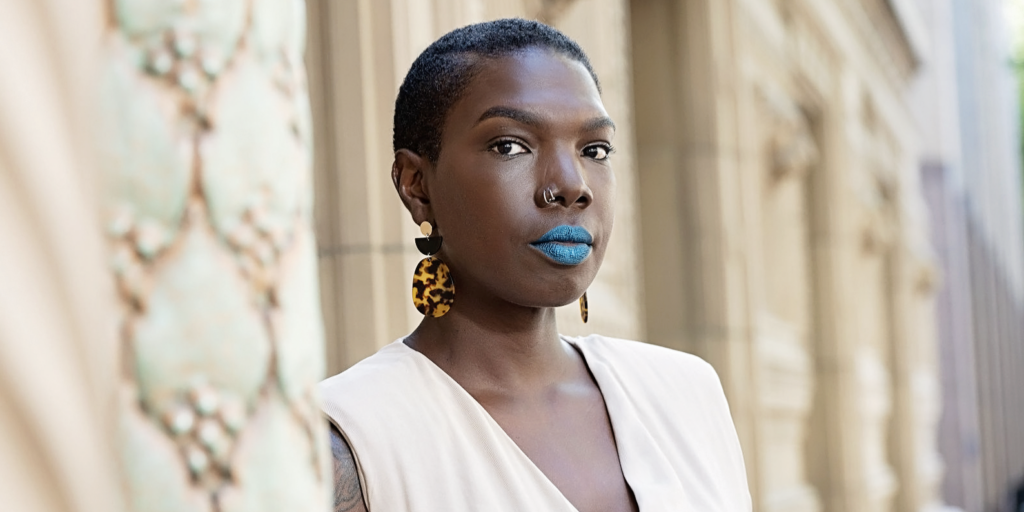
Faith J. McKinnie doesn’t make objects, she makes experiences. As a curator rooted in art history, institutional critique, and community care, Faith approaches every exhibition as an act of listening: to artists, to architecture, and to the neighborhoods that hold them. A lifelong Sacramentan now based in Midtown, she’s spent years building the city’s independent art infrastructure from the ground up, through projects like Sites of Vacancy and Black Artist Foundry, and by mentoring the next generation of curators.
This Second Saturday, August 8, her latest project, Coordinates: Dispatch, brings that vision to the Winn Park Building, a ticketed, site-responsive installation that asks Sacramento to see itself, and each other, a little differently. Read more from Faith to learn about her path into curatorial practice, what makes Sacramento’s art scene distinct, and why she believes meaningful cultural work is never built alone.
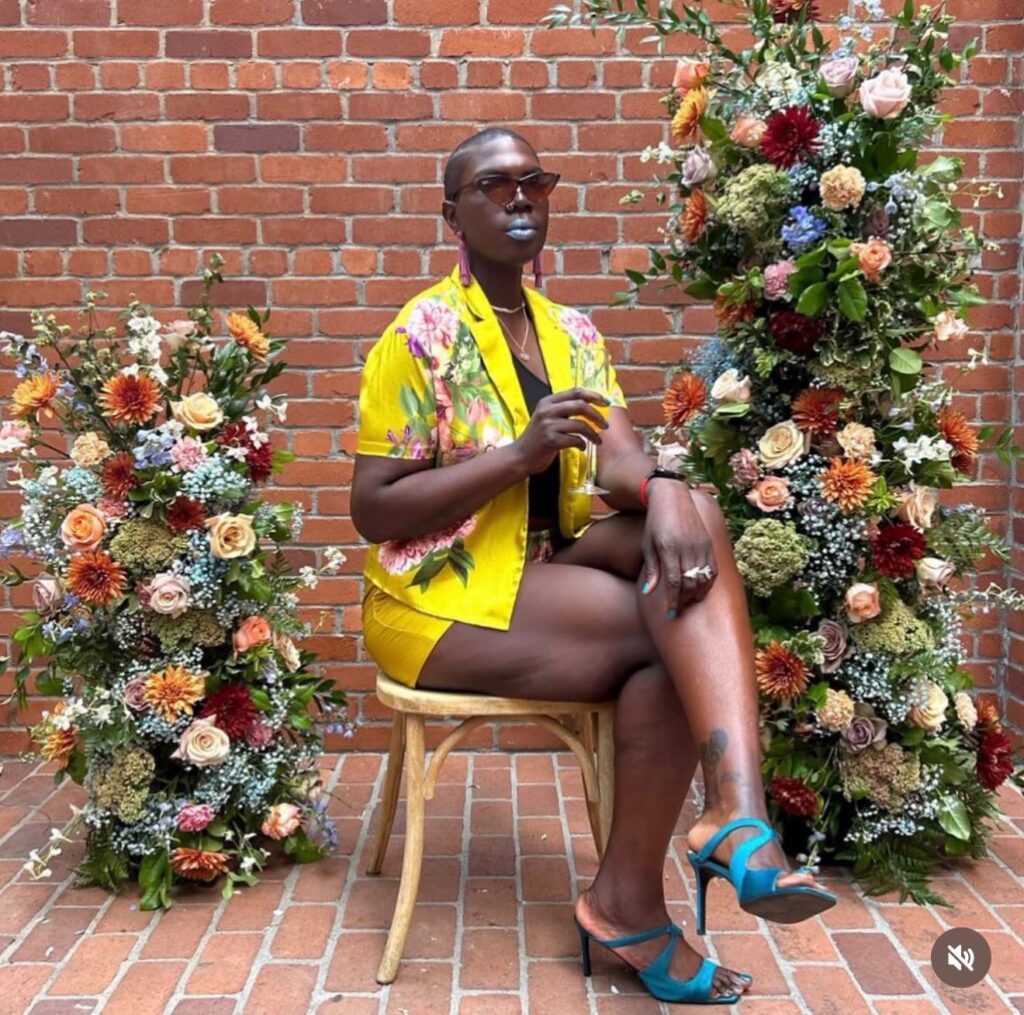
Can you share a bit about your background and what initially drew you to pursue art as a passion or career?
My background is in art history, institutional critique, and curatorial practice, but I’ve never seen those as separate from artistic practice itself. Curating, for me, is a creative act rooted in care. It is about creating the conditions for encounter, asking meaningful questions, and inviting people to see familiar places, and one another, differently.
How would you describe your artistic style and what sets your work apart from other artists?
My practice begins with listening. It requires paying close attention to artists, asking difficult questions, and creating the conditions for their strongest work to emerge. I don’t think of myself as someone who makes objects. I make exhibitions, conversations, and experiences. I’m deeply interested in how artists, architecture, and audiences shape one another. Whether I’m working in a vacant building or a historic civic landmark, my role is to listen to what a place holds, support artists in responding to it, and create meaningful encounters between the work and the public. I hope what sets my practice apart is that artists know they are genuinely cared for. I push them conceptually, but I also advocate for them, invest in them, and build spaces where ambitious work can happen. The exhibition is important, but the relationships that make it possible are equally important.
How did you first get involved with Second Saturday, and what does it mean to you as a local artist?
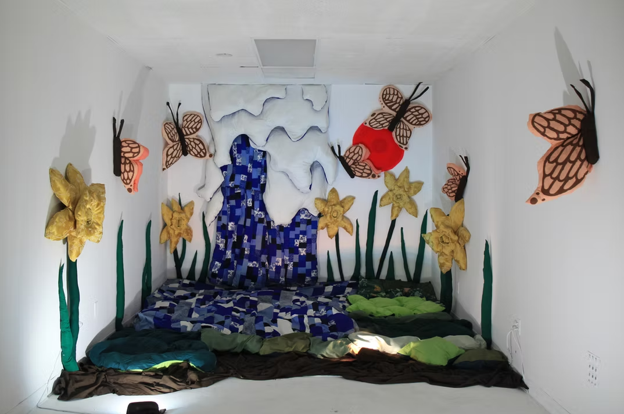
I grew up in Sacramento, and I live in Midtown, so my relationship with Second Saturday stretches back decades. I’ve watched the city’s arts community move through periods of incredible momentum and periods of loss. I’ve seen galleries open and close, artists leave and return, and neighborhoods change. That’s why Second Saturday continues to matter to me. It reminds us that art belongs in public life. I’m grateful to see the Midtown Association investing in its future, not by recreating what it once was, but by helping a new generation of artists, curators, and audiences shape what it can become. I’m honored that Coordinates: Dispatch gets to be part of that evolution.
How has living or working in Sacramento influenced your artistic style?
This isn’t a city where independent curators doing ambitious, site-responsive work have an abundance of institutional support, so I’ve learned to be resourceful. Every exhibition has required creativity, persistence, and a willingness to ask for help. I’ve been fortunate to find a small but deeply committed community of artists, partners, and supporters who believe in the work. Those relationships have become one of the greatest strengths of my practice. They remind me that meaningful cultural work isn’t built by one person. It’s built collectively. That’s one of the reasons I’m so grateful for the Midtown Association’s support. Their willingness to invest in projects like Coordinates: Dispatch signals that ambitious contemporary art has a place here. It gives artists and curators permission to imagine a little bigger, and that’s something every city’s cultural ecosystem needs.
What are some of your aspirations or goals as an artist, both in terms of your personal growth and the impact you hope to make through your art?
I want to continue expanding what contemporary curatorial practice can look like, especially in cities like Sacramento. My goal isn’t simply to organize exhibitions. It’s to create experiences that people remember, to support artists in making their most ambitious work, and to demonstrate that world-class contemporary art doesn’t only happen in major cultural centers. I’m also deeply committed to building infrastructure that lasts beyond me. Whether through Sites of Vacancy, Black Artist Foundry, or the emerging curators I mentor, I want to leave behind stronger systems of support than the ones I inherited. If future artists and curators find it easier to realize ambitious ideas because of my work, I’ll consider that a success. Personally, I hope I never stop being curious. I want every project to challenge me, every artist to teach me something new, and every exhibition to ask bigger questions than the one before it.
How does participating in events like Midtown Second Saturday allow you to connect with your audience or community?
Second Saturday reminds me that art is fundamentally social. People don’t just come to look at artwork. They come to spend time together, ask questions, debate ideas, and experience the city differently. Those conversations are just as important as the exhibitions themselves. As a curator, I spend years thinking about how people move through a space, what they notice, what they miss, and what they carry with them when they leave. Second Saturday is one of the few moments where those ideas unfold in real time. I get to watch strangers become part of the same experience, hear artists talk about their work, and witness connections that couldn’t have been planned. For me, that’s what a community looks like. It’s not simply gathering people in one place. It’s creating the conditions for meaningful encounters between artists, audiences, and the city we share.
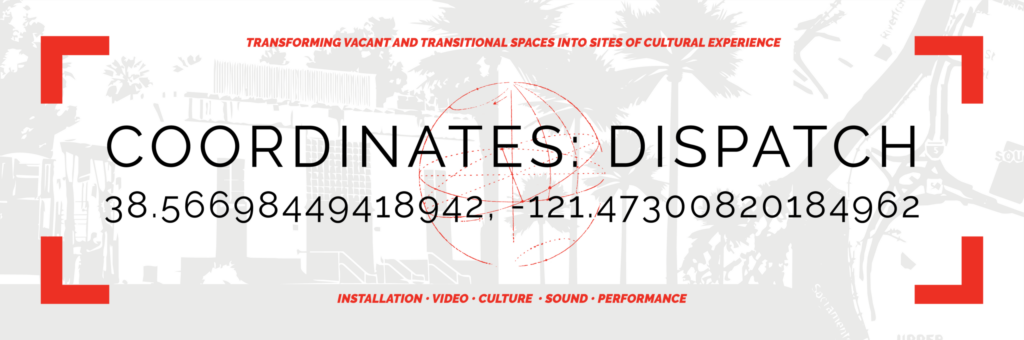
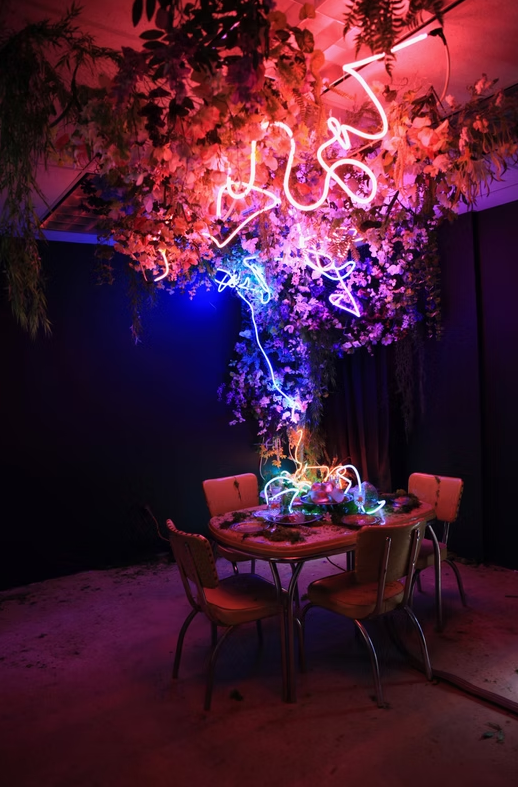
Faith’s latest curatorial efforts are on full display with the launch of Coordinates: Dispatch, a ticketed temporary art installation in the Winn Park Building.
Live Midtown sponsors — 1801L, The Mansion Apartments, Eleanor H16 Apartments, MOD at Midtown, Lavender Courtyard, Studio30, and 19J — bring you this Midtown Second Saturday Artist Feature.
Explore Midtown living options and start your journey to finding your perfect home in vibrant Midtown here.